


Why Polyester Is Dangerous for Kids: The Hidden Fabric Problem Every Parent Should Know
Skin rashes. Unexplained itching. Eczema that won't calm down no matter how much moisturizer you use. If this sounds familiar, the culprit might not be in your child's diet or the weather. It could be hanging in their closet.
The Problem: Is Your Child's Wardrobe Making Their Skin Worse?
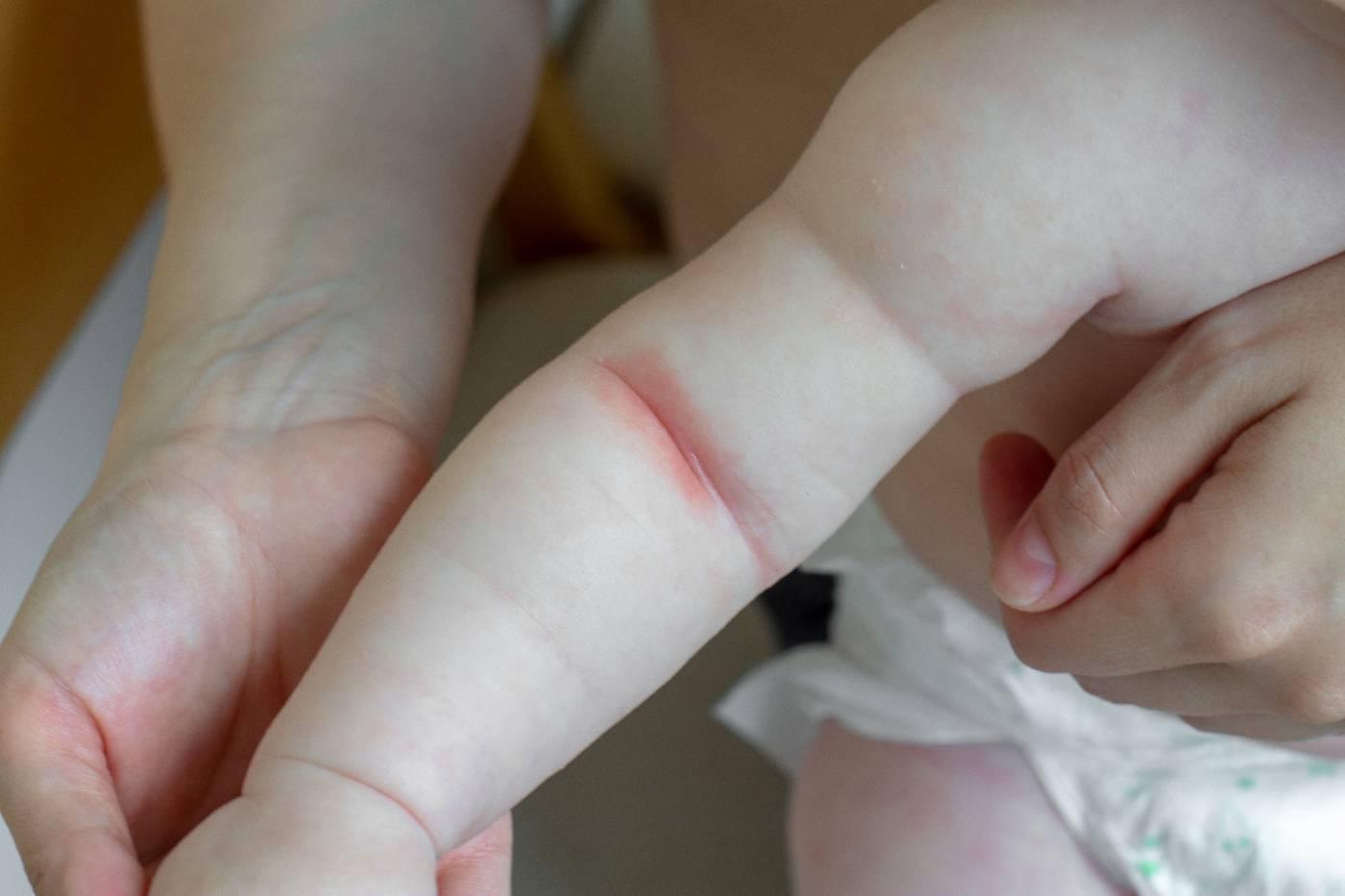
Every parent has been there: your child comes home from school scratching at their arms, or wakes up from a nap with red, irritated patches on their neck and thighs. You check for bug bites, switch detergents, try a new cream, and the rashes keep coming back.
What many parents don't realize is that polyester, the synthetic fabric found in a huge share of children's school uniforms, sportswear, and "easy-care" outfits, may be quietly aggravating their child's skin, trapping heat and sweat, and even shedding microscopic plastic fibres that settle on skin and in the air kids breathe.
Why Kids' Skin Is More Vulnerable Than Adult Skin
Infants and young children have a thinner stratum corneum, the outer protective layer of skin, than adults. That means a weaker overall skin barrier, and more susceptibility to moisture loss, irritation from environmental triggers, and heat retention. In plain terms: a fabric that might just feel "a bit sweaty" on an adult can genuinely inflame a child's skin.
1. Polyester Is Directly Linked to Eczema Flare-Ups and Skin Rashes
- Eczema UK, the UK's leading eczema patient charity, lists polyester and nylon among the fabrics most likely to trigger overheating, sweating, and irritation in eczema-prone skin.
- Per Medical News Today, the American Academy of Dermatology recommends children with eczema wear loose-fitting clothes made from 100% cotton, and that clothing tags be removed to prevent irritation.
- A controlled trial published in the British Journal of Dermatology compared eczema outcomes in children wearing different fabrics, with moisturizer as the only treatment, and found that the more breathable, natural-fabric group showed clearer improvement within a week.
Why does this happen? Polyester is essentially a form of plastic. Unlike cotton, it does not absorb moisture, it traps sweat and body heat against the skin instead, encouraging bacterial and fungal growth and setting off the itch-scratch cycle that makes eczema worse.
Research from the U.S. National Institute of Allergy and Infectious Diseases (NIAID) on the skin microbiome, led by Dr. Ian Myles, suggests certain synthetic fibers like polyester may alter the skin's natural microbiome, weakening its ability to defend itself and making flare-ups more likely.
2. Microplastics: The Invisible Exposure Nobody Warned You About
Polyester is officially classified as a "primary microplastic" because of how aggressively it sheds microscopic fibres, both when it's worn and when it's washed.
- A peer-reviewed study in PLOS ONE, hosted on NCBI/PMC, found that a single wash cycle can release anywhere from 8,800 to 6.8 million microplastic fibres from one garment, depending on the fabric and construction.
- Research from the University of Plymouth and Italy's IPCB-CNR found that simply wearing synthetic clothing releases microfibres into the air, even without washing.
- The "Plasticenta" study by Ragusa et al., published in Environment International and indexed on NCBI/PMC, found microplastics in human blood, lung tissue, and placental tissue.
3. The Hidden Chemicals in Polyester Finishing
| Chemical | Why it's used | Documented concern |
|---|---|---|
| Formaldehyde | Wrinkle-resistance, stain resistance, anti-mildew | Classified as a Group 1 (carcinogenic to humans) agent by the International Agency for Research on Cancer (IARC); linked to skin irritation and respiratory issues |
| Azo dyes | Bright, long-lasting colors | Can break down into aromatic amines; restricted in textiles under the EU's REACH Regulation, Annex XVII, Entry 43 due to skin-irritation and cancer risk |
| PFAS ("forever chemicals") | Water resistance, stain repellence | Linked to immune, liver, and developmental effects |
| Flame retardants (e.g. PBDEs) | Meeting flammability standards | Linked to thyroid disruption; detected in blood of pregnant women and newborns |
Breakdown adapted from University Hospitals.
The EU's REACH regulation restricts azo dyes and formaldehyde in textiles more strictly than current U.S. rules, meaning the same polyester garment can legally contain different chemical loads depending on where it's sold.
4. Heat, Humidity, and the Singapore Problem
Polyester's poor breathability is a much bigger issue in constant 28–33°C heat and high humidity than in a temperate climate. Kids in polyester uniforms or synthetic playwear sweat more, cool down more slowly, and stay in that warm, damp micro-environment for hours at school, at play, or in the car.
It's exactly the situation that led Nimbu founder Kriti Saj to start making her own child's clothing in the first place: "Nimbu began on a hot and humid day in Singapore when my child's skin allergies flared up. I could not find clothing that was both breathable and gentle on sensitive skin. So I did what any mom on a mission would do: I made them myself."

Cotton vs. Polyester for Kids: A Side-by-Side Look
| Factor | 100% Cotton | Polyester |
|---|---|---|
| Breathability | High, allows skin to "breathe" | Low, traps heat and sweat |
| Moisture absorption | Absorbs sweat, dries with airflow | Repels moisture, holds it against skin |
| Eczema/sensitive skin suitability | Recommended by dermatology associations | Frequently flagged as an irritant trigger |
| Microplastic shedding | Biodegradable, no persistent plastic shedding | Classified as a primary microplastic |
| Chemical processing | Simple enzyme/mechanical finishing | Often needs dyes, resins, sometimes PFAS |
| Comfort in hot, humid climates | Naturally cooling | Prone to overheating and clamminess |
What This Means for Parents: A Simple, Practical Fix
- Prioritize what touches the skin most — sleepwear, underwear, everyday t-shirts, and school uniforms — for 100% cotton first.
- Look for certifications like OEKO-TEX Standard 100 if you do buy synthetic blends.
- Wash new clothing before first wear to remove residual finishing chemicals.
- Choose breathable, unbrushed cotton over polyester-blend "easy-care" fabrics, especially in hot, humid climates like Singapore.
- Remove itchy tags and rough seams, a step Medical News Today notes is recommended by the AAD regardless of fabric choice.
This is precisely the gap Nimbu was built to close. Every garment is made from 100% breathable premium cotton with no synthetic blends, soft enough for children with sensitive skin, eczema, and allergies, and light enough for Singapore's heat and humidity, all day long.
For families shopping for their little ones, Nimbu's breathable cotton collections for girls and boys cover everyday wear, sleepwear, and occasion outfits, all handcrafted in small batches, all gentle on sensitive skin.
Conclusion
Polyester isn't inherently "toxic" in the dramatic sense, but the evidence from dermatology associations, peer-reviewed journals, and regulatory bodies is clear: it's a meaningful contributor to skin irritation, eczema flare-ups, microplastic exposure, and, depending on its finishing chemicals, potential contact with formaldehyde and azo dyes. For children, with their thinner skin and constant skin-to-fabric contact, the cumulative daily exposure is worth taking seriously.
That's the entire philosophy behind Nimbu: breathable, artisan-made, chemical-conscious cotton clothing, designed for real kids living in a hot, humid climate.